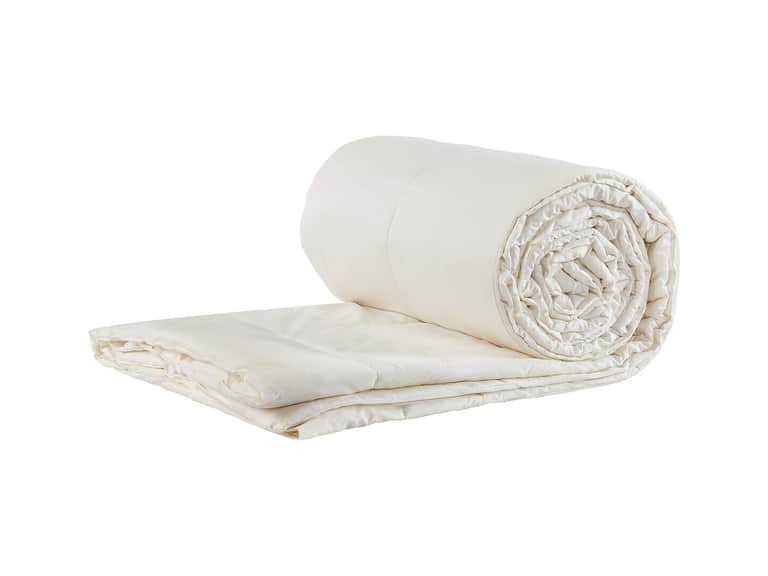
Comforters are versatile bedding essentials designed to provide warmth and a cohesive aesthetic for varied sleep environments. They typically combine a soft outer shell with an insulating fill, offering the balance of lightweight warmth or substantial loft depending on material, thickness, and construction. Understanding fill types and fabric choices helps tailor comfort to seasonal changes and personal preferences.
Common comforter fills include cotton, down-alternative fibers, wool, and synthetic blends, each with distinct warmth-to-weight profiles and care requirements. Down-alternative options, for example, aim to mimic down’s loft while maintaining hypoallergenic properties. The outer fabric often features tight weaves or Oeko-Tex certified textiles for durability and skin-friendly comfort.
In the Sleep and Beyond and myComforter lines, product features span weight categories, duvet-fastening systems, and corner stitching to prevent fill shift. Functional benefits include even heat distribution, reduced cold spots, and ease of laundering. Consider fill power, loft retention, and shell fabric breathability to optimize comfort across seasons.
Key uses for comforters extend beyond strictly cold-season warmth; multi-season comforters with moderate loft provide year-round performance in varied climates. Pairing with compatible bedding such as sheets and pillow arrangements supports temperature regulation and overall sleep quality, while ensuring architectural simplicity in bedroom design.
Meta keywords such as bedding, pillows, sheets, latex, and adjustable beds reflect related elements in a holistic sleep setup. Understanding the relationship between comforter materials and bed accessories clarifies how each component contributes to thermal comfort, tactile experience, and long-term durability within a well-rounded bedroom environment.
 Bedding