Understanding Sleep-Friendly Materials: A Guide to Bedding Textiles for Better Rest
A thoughtful exploration of how fabrics, finishes, and construction shape comfort, temperature, and the quiet rhythm of a good night’s sleep. From percale to wool blends, the textiles that envelope us at our most intimate hours carry stories of craft, science, and daily rituals.
Published September 22, 2026
Sleep is not simply a void between waking moments; it is a conversation between the body and the environment. The textiles that form the sheets we pull up to our chins, the pillow cores that cradle our necks, and the duvet covers that keep us warm or cool through the night are more than mere coverings. They are instruments of comfort, tuned to our climate, posture, and routines. To understand sleep-friendly materials is to understand how subtle differences in fiber, weave, thread count, and care influence calm and rest.
This guide, inspired by the bedsideshop concept of prioritizing bedside experience without commerce, surveys foundational materials—cotton percale, cotton sateen, and natural wool blends—and translates their properties into practical choices for sleep health. We also examine how these textiles perform across sleep positions, climates, and allergen profiles, weaving in brief portraits of notable brands such as Naturepedic, Sleep and Beyond, and Downtown Company to illustrate how material choices align with performance and longevity.
Foundational Materials: What You Thread Through Your Night
Cotton percale is celebrated for a crisp, breathable surface that feels cooler to the touch. It is typically woven in a simplest, matte finish, with a thread count that often sits in the 200–400 range. Percale’s structure promotes air exchange, which can help sleepers who run warm or who live in humid environments. The trade-off can be a slightly firmer hand or a less lush drape compared with sateen, yet the crispness can be desirable for hot sleepers who crave quick moisture evaporation.
Cotton sateen, by contrast, is woven with a satin weave that yields a smoother, more luminous surface. The hand tends to be softer, and the fabric often feels warmer to the touch due to its denser surface. Sateen sheets can be particularly pleasant for cool-weather months, or for those who prefer a more enveloping, luxurious feel. The trade-off is that sateen can be slightly less breathable than percale, which is why many sleepers gravitate toward a balanced blend or a lighter sateen, especially in warmer climates.
Wool blends bring a different set of properties to the bed. Natural wool, renowned for temperature regulation, can help shepherd body heat in winter and summer alike. Wool has moisture-wicking capabilities and a natural breathability that resists the clammy feeling of high humidity. When used in toppers, duvets, or even as a core fiber in certain insulated covers, wool contributes to a sleep environment that remains less prone to overheating or excessive cooling.
Pillow and Sheet Fabrics: Position, Climate, and Allergies
Sleep position interacts with fabric behavior. Side sleepers, who shoulder more pressure, may appreciate pillow fills and covers that support alignment while remaining breathable. Back sleepers might prioritize stable lofts and cooling surfaces, especially when temperatures rise. Stomach sleepers, who often need a gentler alignment at the neck, benefit from fabrics that balance softness with light support.
Allergies and sensitivities are a critical consideration. Certifications such as OEKO-TEX or GOTS (organic) offer reassurance regarding dye safety and fiber processing. Removable, washable pillow covers and duvet shams are practical for maintaining hygiene and prolonging textile life.
Brand Spotlight: How Material Choices Translate to Performance
Reputable brands in the bedding domain demonstrate how textile choices map to performance, durability, and longevity. Naturepedic’s organic latex and cotton blends emphasize safety and comfort for neck support, especially for side sleepers. Sleep and Beyond’s natural wool blends highlight temperature regulation and hypoallergenic properties, while Downtown Company’s percale and sateen collections exemplify the craft of long-staple cotton that yields a lasting, crisp finish.
These brands illustrate a central idea: textiles that endure over time tend to be those engineered with attention to fiber quality, weave stability, and careful finishing. The best sleep textiles are often those that age gracefully—softening without losing integrity, maintaining colorfastness through repeated washes, and delivering consistent performance across seasons.
Three Time-Scaled Perspectives: Key Individuals Who Shaped Sleep and Textiles
Ancient to Medieval: Hypnos’ Whisper
In folklore and early textile trade, the understanding of sleep comfort emerged from the hands of artisans who wove fabrics with natural fibers, balancing warmth and breathability. The mythic Hypnos, and later medieval craftsmen, laid the groundwork for fabrics suited to rest, long before the science of sleep existed.
Renaissance to Enlightenment: Josiah Wedgwood and Material Ideals
From the craftsman’s bench to the display of refined textiles, the era of porcelain and refined textiles brought new standards of textile finish and colorfastness. While Wedgwood is famed for ceramics, the broader textile milieu of the period valued quality loom construction, dye stability, and the luxury of smooth, durable surfaces that enhance sleep comfort.
Contemporary: Naturepedic and the Textile Conscience
In the modern era, a trio of voices – researchers, designers, and manufacturers – converges to create textiles that honor safety, sustainability, and sleep health. Figures such as Naturepedic’s engineers, Sleep and Beyond’s fiber specialists, and Downtown Company’s textile artisans illustrate how conscious choices in fibers, weaving, and certifications translate into real-world comfort and well-being.
Practical Guide: Choosing Sleep-Friendly Textiles for Your Bedside
- Assess climate and personal comfort: If you live in a warmer climate, lean toward breathable percale with a mid-range thread count for a crisp feel and airflow.
- Balance softness and durability: For a more luxurious feel, a light sateen blend offers gentle warmth with long-lasting wear when cared for properly.
- Factor sleepers’ needs: Side sleepers may prefer pillows with ergonomic fills and covers that promote cooling, while those with allergies should prioritize hypoallergenic fibers and removable, washable covers.
- Care and longevity: Choose fibers that tolerate repeated washing. Understand care labels and recommended washing cycles, and consider textile finishes that resist pilling and color fading.
- Label with intention: Look for certifications like OEKO-TEX and GOTS to ensure dye safety and supporting sustainable practices.
A Glimpse at Notable Bedding Products
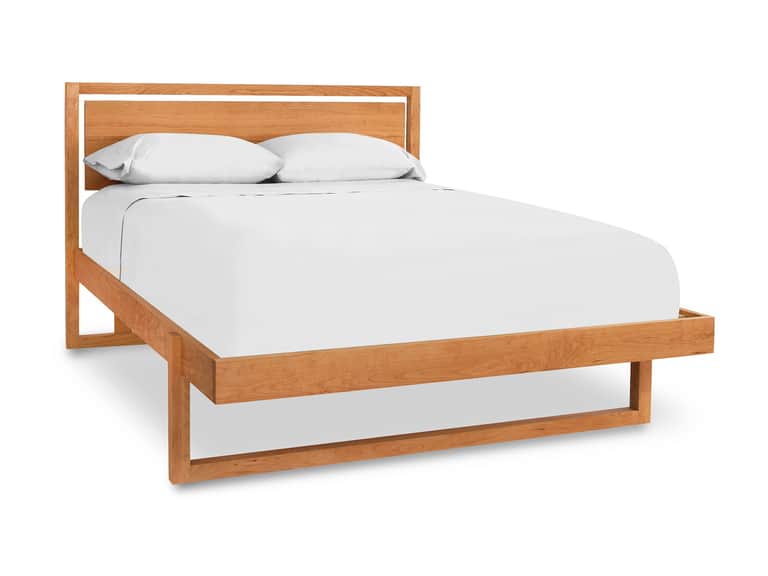
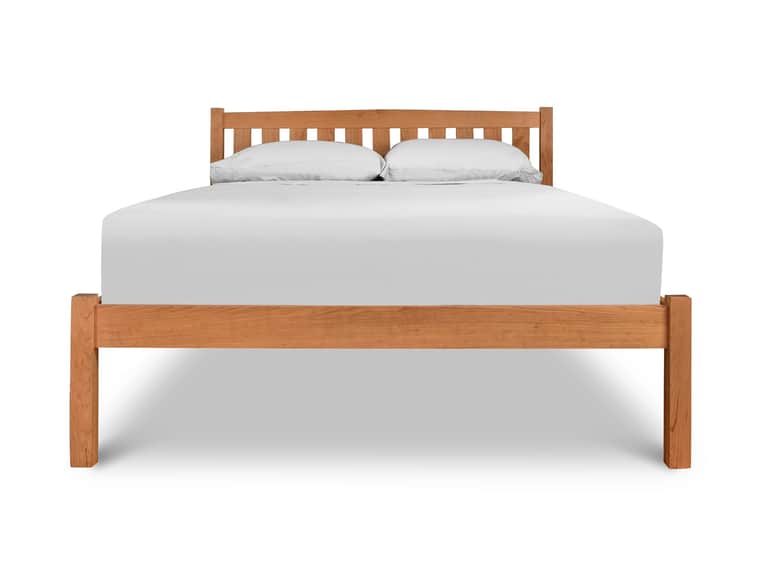
In this section, we present a carefully chosen sample to illustrate the textures and textures of sleep-ready textiles. The Pendant Bed, crafted in Vermont from sustainably harvested cherry wood, is a model of timeless construction and natural warmth that complements a calm, sleep-focused environment. While not textile itself, the Pendant Bed demonstrates how a bed’s architectural integrity interacts with the textiles that dress it, shaping the perception of rest.
From textiles to foundation, consider a pairing of a Naturepedic Organic Side Sleeper Pillow with a Sleep and Beyond mySheet Set. The pillow’s latex-based, organic construction supports side sleepers with tailored loft, while the mySheet Set delivers a deep-pocket percale weave that remains crisp wash after wash. This pairing exemplifies how material science and craftsmanship come together to produce a restful night.
For readers who enjoy a more layered, design-forward approach, the Downtown Company Chelsea Pillowcases and Shams bring a refined sheen and architecture to the bed. The interplay of cotton sateen with a 400-thread count and crisp tailoring can be paired with a light duvet or wool blend for balanced warmth and a clean, serene aesthetic.
Pendant Bed (Vermont Furniture Designs)
Solid sustainably harvested cherry wood with traditional joinery and an eco-friendly finish. A bed that anchors a calm retreat, designed to complement a sleep-focused room.
Price: $2635.00
Naturepedic Organic Side Sleeper Pillow
GOTS-certified organic latex with breathable cotton cover, adjustable loft, and a focus on neck support for side sleepers.
Product link available upon request
Glossary and Resources: Quick References for Sleep Textiles
Quick-reference glossary terms: percale, sateen, weave, thread count, GOTS, OEKO-TEX, hypoallergenic, breathable, lumen, and colorfastness. A short buying checklist helps readers evaluate fabrics and finishes for their bedroom climate and sleeping position.
- Percale: Crisp, breathable cotton weave, generally cooler to the touch.
- Sateen: Smoother, softer surface with a subtle sheen; warmer feel than percale.
- GOTS and OEKO-TEX: Certifications indicating organic processing and chemical safety.
- Hypoallergenic: Reduces allergen exposure; look for tightly woven weaves and removable, washable covers.
- Care cycles: Understand the care requirements to extend textile life and maintain hygiene.
Conclusion: The Quiet Craft of Rest
The care we invest in the textiles that cradle us at night translates directly into the quality of our days. By understanding materials, we can tailor a sleep environment that respects climate, posture, and health. The bedside is not merely a place to rest but a sanctuary where craft, science, and daily routine converge. In a world of fast fashion and disposable textiles, a well-chosen sheet set, a thoughtfully constructed pillow, and a properly maintained duvet can become a steady partner in the long, quiet journey of good sleep.
If you’d like, we can expand this guide into a comprehensive site map with pages dedicated to Sleep Fundamentals, Bedroom Ergonomics, and Bedside Gadgets, all anchored by evidence-based guidance and accessible, editorial storytelling in the spirit of the National Geographic style—curious, precise, and reverent of human comfort.
Note: This article maintains a non-commercial, educational stance while highlighting a curated sample of products to illustrate textile behavior and bed design in real-world settings. All product references are illustrative and intended to exemplify design and material choices that promote restful sleep.